
Life Sciences
GATE XL topic:ecology-environment PYQs
Build your understanding with focused practice from past exam papers.
How to practice topic:ecology-environment
Attempt a question, record the concept and assumptions, then check the available answer. Rework mistakes after revising the relevant concepts. Topic tags can overlap; review the question context.
Questions 1–10 of 14. Imported answers require independent review unless marked reviewed.
Question 63
Open questionXL-RMSQ2 marksNeeds review
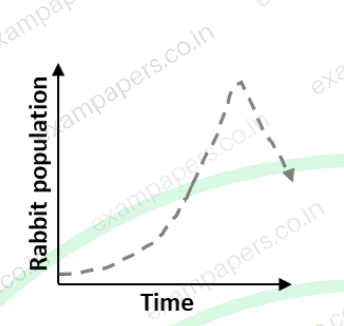
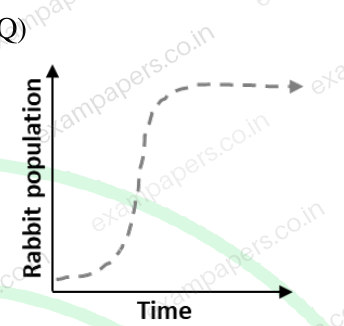
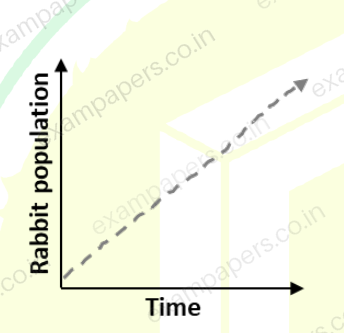
If rabbits are introduced in an isolated grassland for the first time, which of the following growth curves (shown using dashed line) is/are theoretically possible population dynamics over time?
(P)
(Q)
(R)
(S)
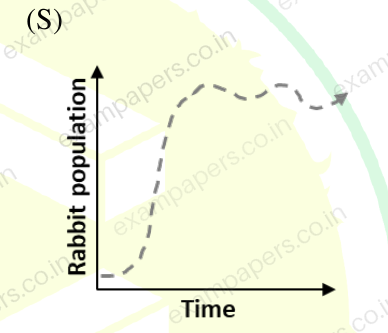
Your answerSelect all correct options. You can choose more than one.
Log in to check the answer
You can attempt this question now. Sign in to view the answer key, explanations and discussion.Log in to check answerQuestion 59
Open questionXL-RMCQ2 marksNeeds review
Match the types of ecological interactions in Group 1 with their respective definitions in Group 2.
Group 1: (P) Protocooperation; (Q) Commensalism; (R) Amensalism; (S) Helotism.
Group 2: (i) One species is harmed but the other is neither harmed nor benefited; (ii) A type of mutualism where one species is benefited more than the other; (iii) Both the species are benefited but the interaction between them is not obligatory; (iv) One species is benefited without harming the other
Your answerChoose one option.
Log in to check the answer
You can attempt this question now. Sign in to view the answer key, explanations and discussion.Log in to check answerQuestion 60
Open questionXL-RMCQ2 marksNeeds review
Match the types of ecological energy productivity in Group 1 with their respective definitions in Group 2.
Group 1: (P) Net primary productivity; (Q) Gross primary productivity; (R) Net productivity; (S) Secondary productivity.
Group 2: (i) Total amount of energy produced by autotrophs; (ii) Amount of energy stored by autotrophs after respiration; (iii) Net gain of energy by the consumers after energy loss; (iv) Unused amount of energy after consumption by heterotrophs.
Your answerChoose one option.
Log in to check the answer
You can attempt this question now. Sign in to view the answer key, explanations and discussion.Log in to check answerQuestion 53
Open questionXL-RMSQ1 markNeeds review
Which of the following is/are part of marine ecosystem?
Your answerSelect all correct options. You can choose more than one.
Log in to check the answer
You can attempt this question now. Sign in to view the answer key, explanations and discussion.Log in to check answerQuestion 61
Open questionXL-RMCQ2 marksNeeds review
Make CORRECT match between Group-I and Group-II, in relation to interaction between two species.
Group-I: P. Neutralism; Q. Allelopathy; R. Amensalism; S. Mutualism.
Group-II: I. neither can survive under natural condition without the other; II. direct inhibition of one species by the other species using toxic compound; III. neither is affected by the association with the other; IV. one is inhibited and the other is not affected.
Your answerChoose one option.
Log in to check the answer
You can attempt this question now. Sign in to view the answer key, explanations and discussion.Log in to check answerQuestion 17
Open questionXL-RMCQ2 marksNeeds review
Match the following ecological terms with their appropriate definitions
Term | Definition
P. Niche | i. Position of a species in food chain
Q. Biota | ii. Place of a living organism in the biotic environment and its relates to food and enemies
R. Trophic level | iii. Physical environment of an organism
S. Habitat | iv. Totality of organisms (flora and fauna) in a given place or region
Your answerChoose one option.
Log in to check the answer
You can attempt this question now. Sign in to view the answer key, explanations and discussion.Log in to check answerQuestion 18
Open questionXL-RMCQ2 marksNeeds review
Arrange the following ‘water reservoirs of earth’ in decreasing order of water volume
P- Streams
Q- Groundwater
R- Glaciers
S- Lakes and inland seas
Your answerChoose one option.
Log in to check the answer
You can attempt this question now. Sign in to view the answer key, explanations and discussion.Log in to check answerQuestion 1
Open questionXL-RMCQ1 markNeeds review
Which one of the following ecosystems is represented by an inverted pyramid of numbers?
Your answerChoose one option.
Log in to check the answer
You can attempt this question now. Sign in to view the answer key, explanations and discussion.Log in to check answerQuestion 1
Open questionXL-RMCQ1 markNeeds review
Which of the following genera produces dimorphic seeds that help to broaden the time of germination in a variable habitat?
Your answerChoose one option.
Log in to check the answer
You can attempt this question now. Sign in to view the answer key, explanations and discussion.Log in to check answerQuestion 5
Open questionXL-RMCQ1 markNeeds review
Which of the following statements is TRUE for an ecotone?
Your answerChoose one option.
Log in to check the answer
You can attempt this question now. Sign in to view the answer key, explanations and discussion.Log in to check answer